fashion
fashion
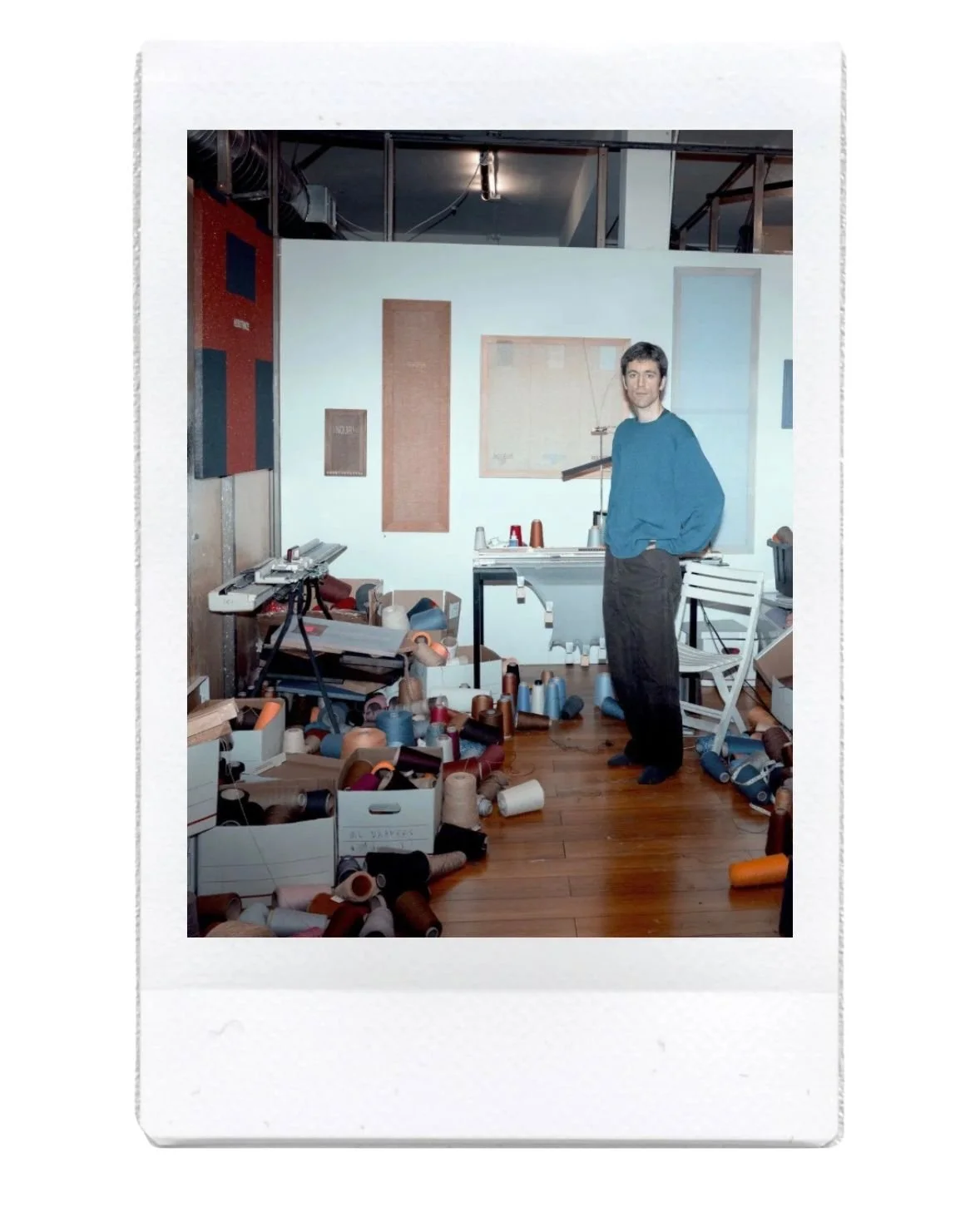
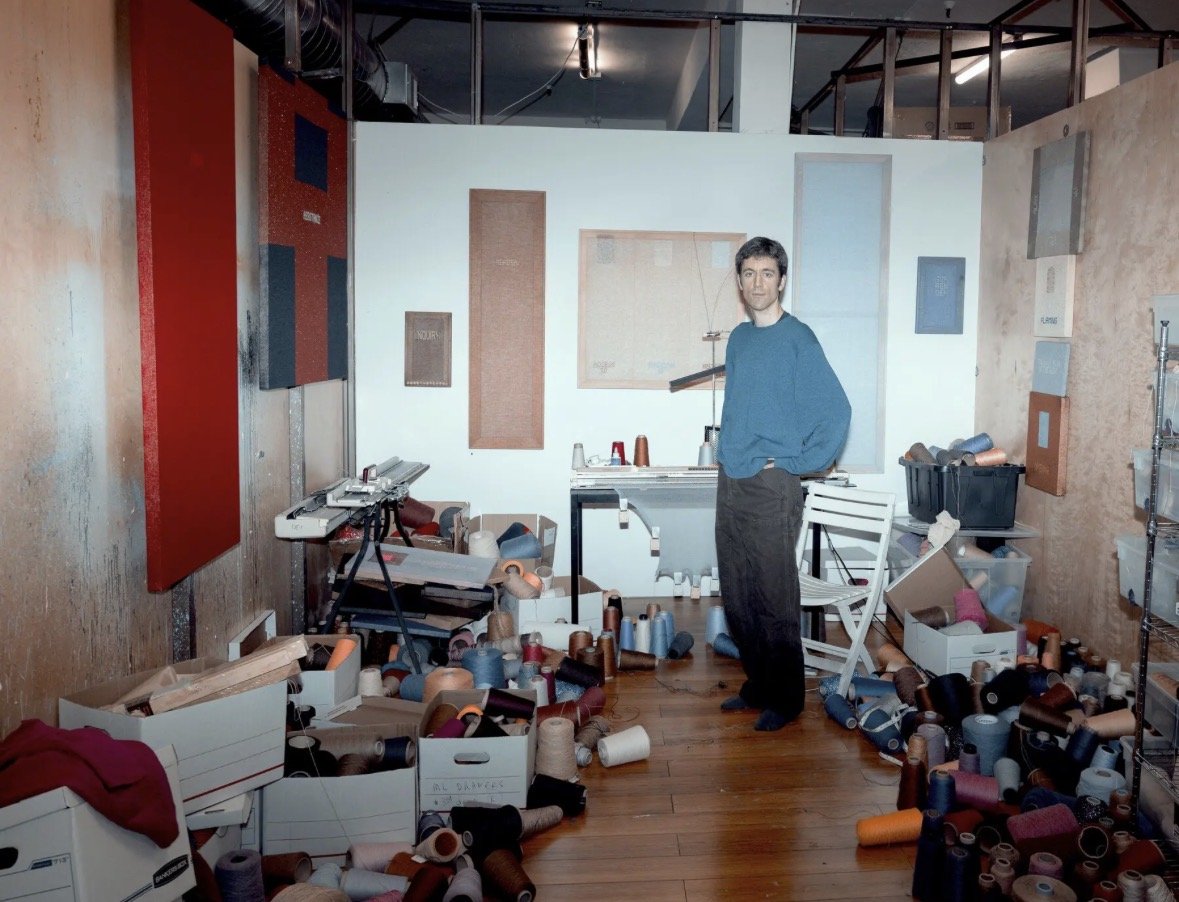
Patrick Carroll photographed by Abdi IbrahimThe Artist Behind the Shirt on Harry Styles’ New Album Cover
A knit T-shirt. A disco ball. A single line of red text.
January 16, 2026
By: mesh. magazine
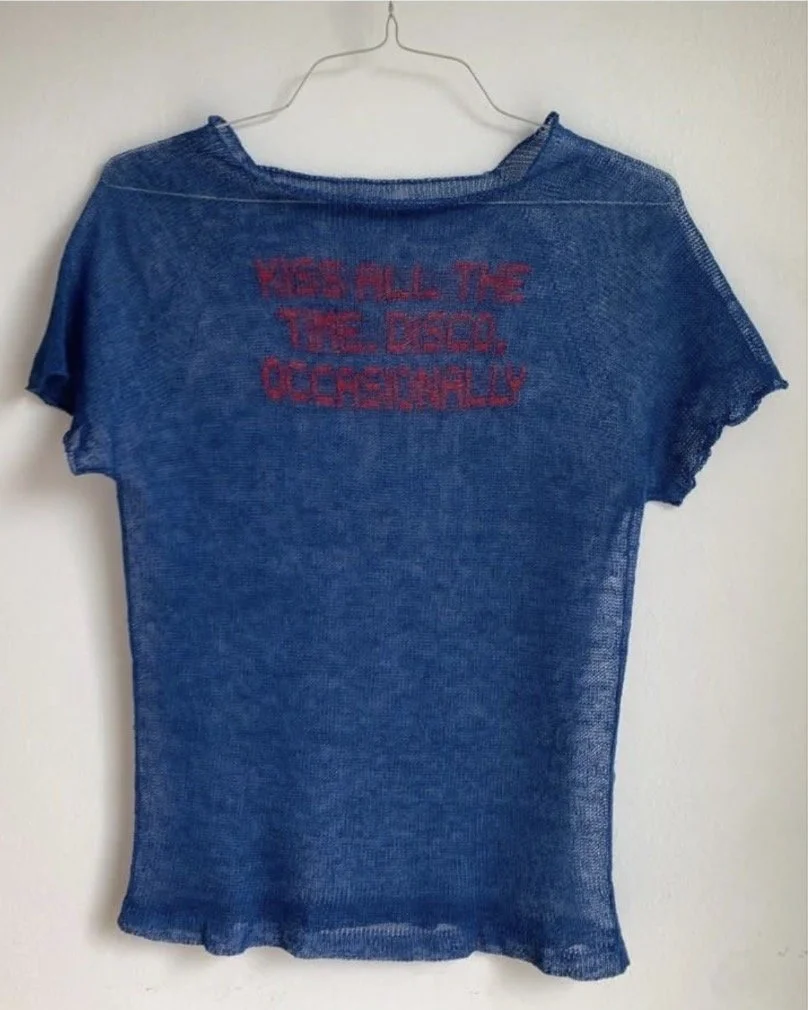
On the cover of Kiss All the Time. Disco, Occasionally, Harry Styles appears deceptively simple—standing outdoors, wearing vintage jeans and a blue knitted shirt bearing the album’s title. But behind that garment lies a story that cuts through fashion, grief, ritual, and contemporary art.
The shirt was created by Patrick Carroll, a Los Angeles–based textile artist whose work sits at the intersection of craft, language, and emotional extremity.
From personal loss to textile language
Four years ago, Carroll helped his father navigate physician-assisted death in California after a neurodegenerative diagnosis. The experience permanently altered his relationship to time, responsibility, and the body. “It completely changed how I operated,” Carroll has said. “Having to step up and deliver my father’s death.”
Shortly after, pandemic lockdowns began. Isolated and grieving, Carroll turned inward—and toward making. He taught himself machine knitting using a 1970s Studio SK-560 knitting machine sourced from Craigslist. What began as a distraction quickly became a daily practice.
Almost every day, Carroll made a new garment.
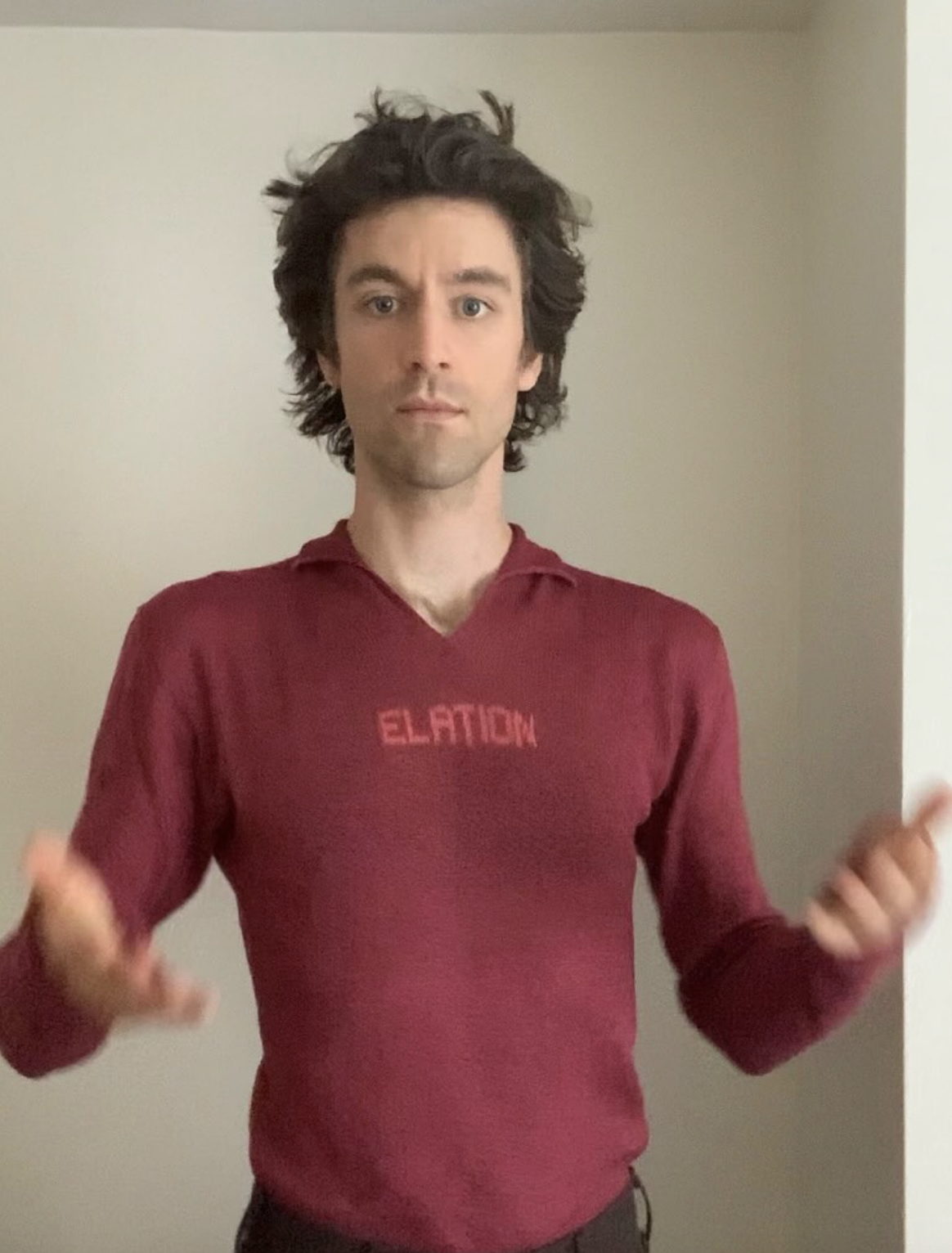
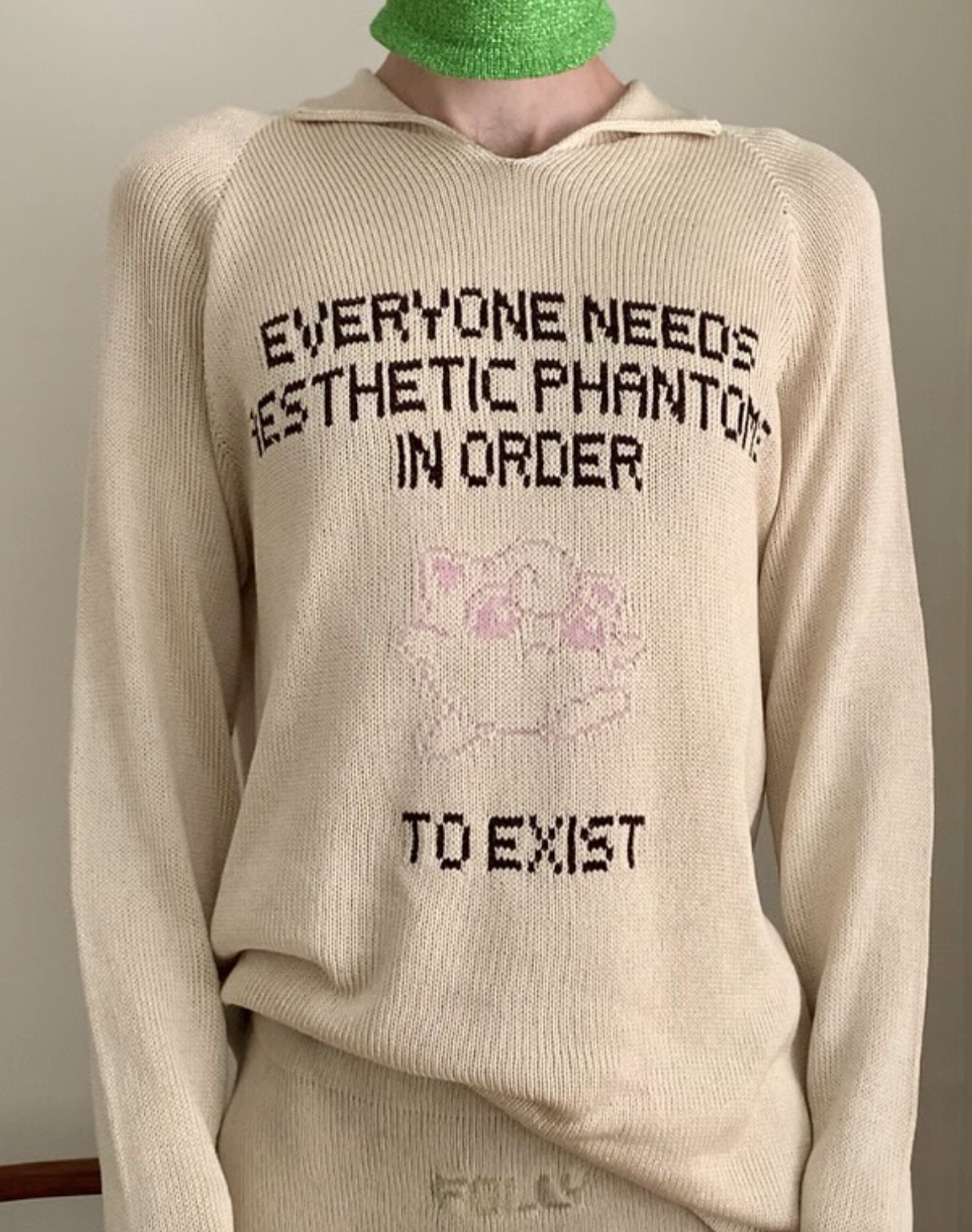
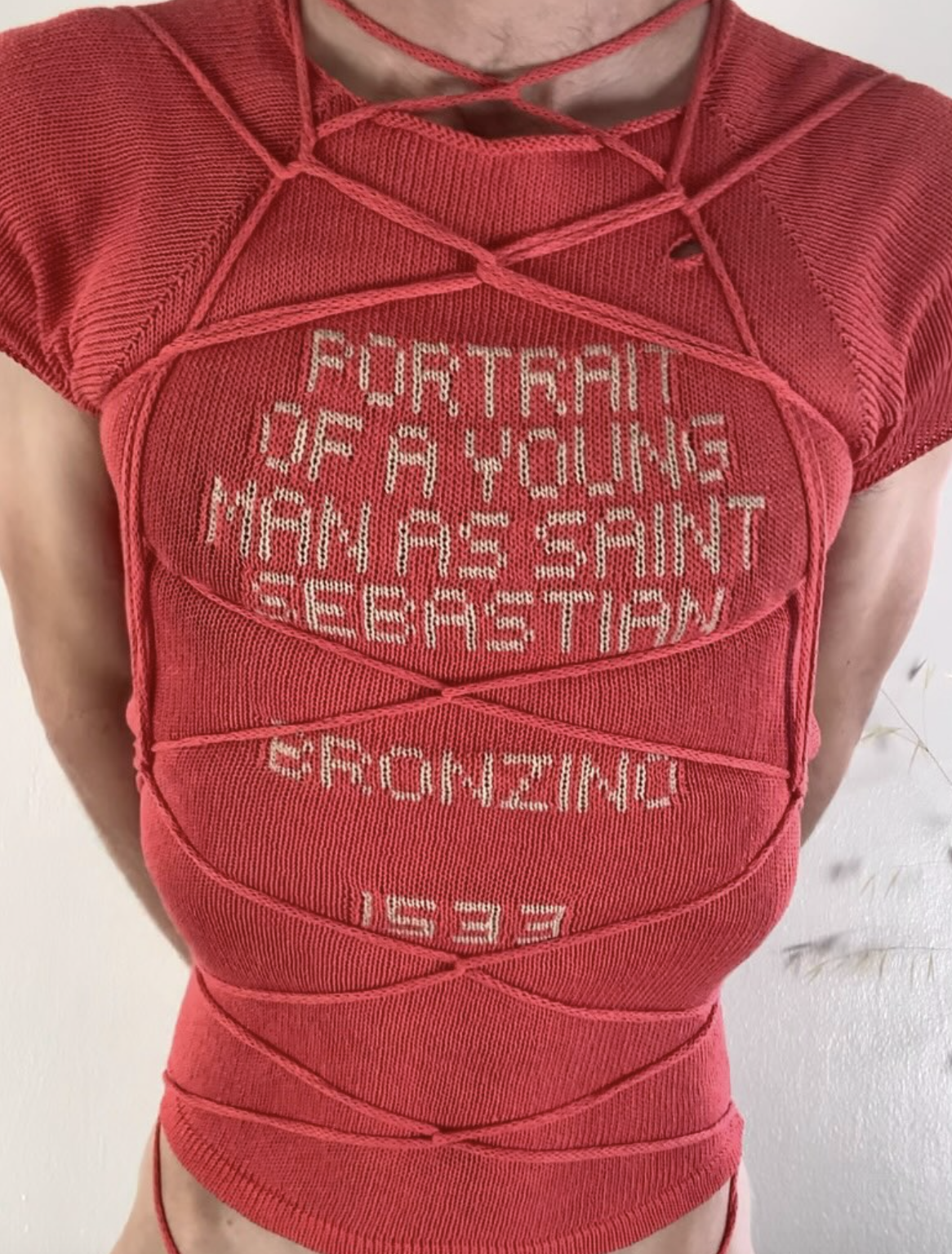
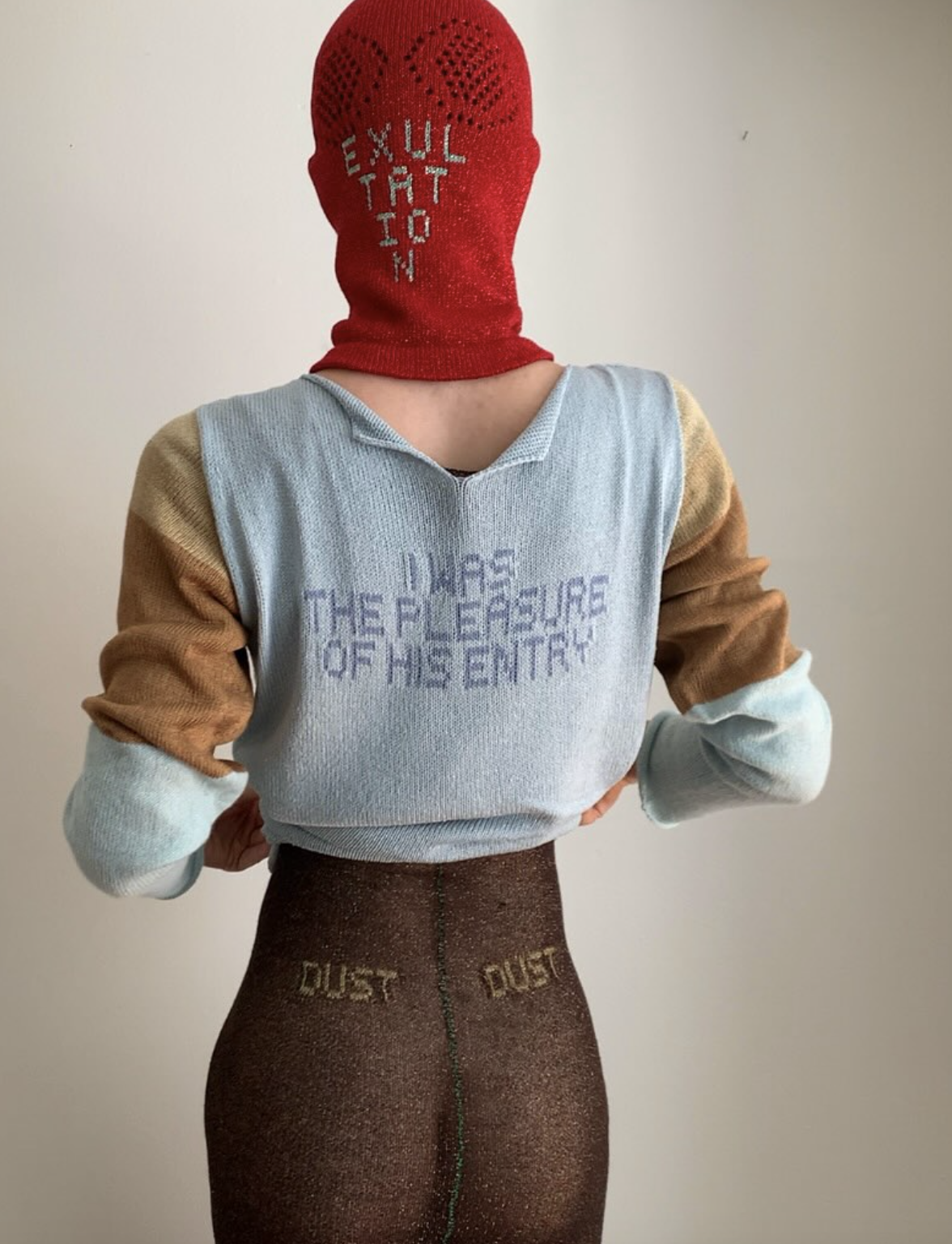
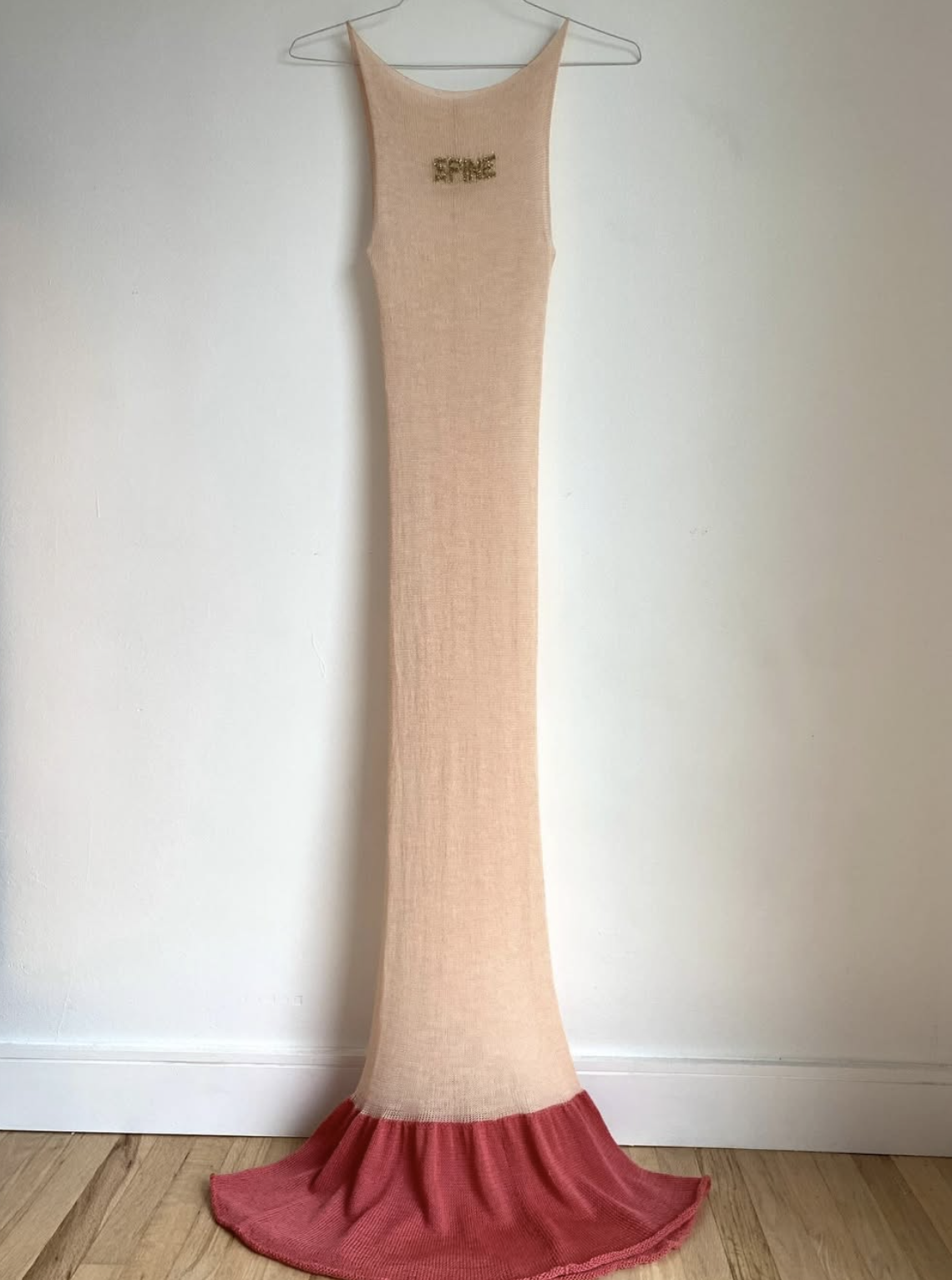
Early pieces were intentionally confrontational: flesh-toned, skin-baring silhouettes marked with loaded language. A high-cut unitard reading eternity. A men’s thong emblazoned with wrath of God. These garments blurred the line between clothing and confession—intimate objects meant to be worn, witnessed, and felt.
Posting images of himself modeling the pieces on Instagram, Carroll slowly built a following drawn to the emotional charge of his work. The body became both canvas and context.
Clothing as confession
Over time, Carroll shifted scale. Words began appearing on larger knitted panels, stretched over wooden frames like canvases. He calls them “picture poem paintings.” Often featuring a single word—refusal, surrender, mercy—the works operate as emotional triggers rather than explanations.
They are quiet, tactile, and unsettling. Their power lies not in narrative but in recognition.
From garments to “picture poem paintings”
Harry Styles and the Return of Meaningful Fashion
Harry Styles has long used fashion as a form of soft resistance—blurring gender codes, elevating craft, and spotlighting independent designers. Choosing Carroll’s work for an album cover isn’t just an aesthetic decision; it’s a cultural alignment.
The knitted shirt—handmade, text-based, emotionally charged—contrasts the polished machinery of pop stardom. It introduces vulnerability into an image designed for mass circulation.
In an era dominated by speed and spectacle, the shirt insists on slowness, labor, and meaning.
Carroll’s rise reflects a broader shift in fashion and art: toward process over polish, emotion over trend, and language as material. Knitwear—once associated with domesticity and tradition—has become a site for radical expression.
What makes Carroll’s work resonate is not just who wears it, but why it exists.
On Harry Styles’ album cover, the shirt doesn’t shout. It simply states. And in doing so, it carries the weight of grief, survival, and human touch—stitched into every thread.
Craft as contemporary luxury