
Pomellato conquista París con color, artesanía y una visión radical de la feminidad
8 de junio, 2026
By: mesh. magazine
Cuando una joya se convierte en manifiesto
París siempre ha sido el lugar donde la moda, el arte y la imagen se encuentran. Este verano, Pomellato se suma a esa conversación con una propuesta tan sofisticada como disruptiva.
Del 24 de junio al 20 de julio de 2026, la maison italiana presenta Pomellato: Le Joaillier Révolutionnaire en el Palais de Tokyo, una exposición inmersiva que explora casi seis décadas de innovación creativa. Más que una retrospectiva, la muestra se plantea como un recorrido sensorial por los pilares que han definido a la firma desde su fundación en Milán en 1967: la artesanía, el color, la fotografía y la libertad femenina.
Donde la tradición suele ser el principal argumento, Pomellato demuestra que la verdadera herencia también puede construirse desde la rebeldía y lo distinto.
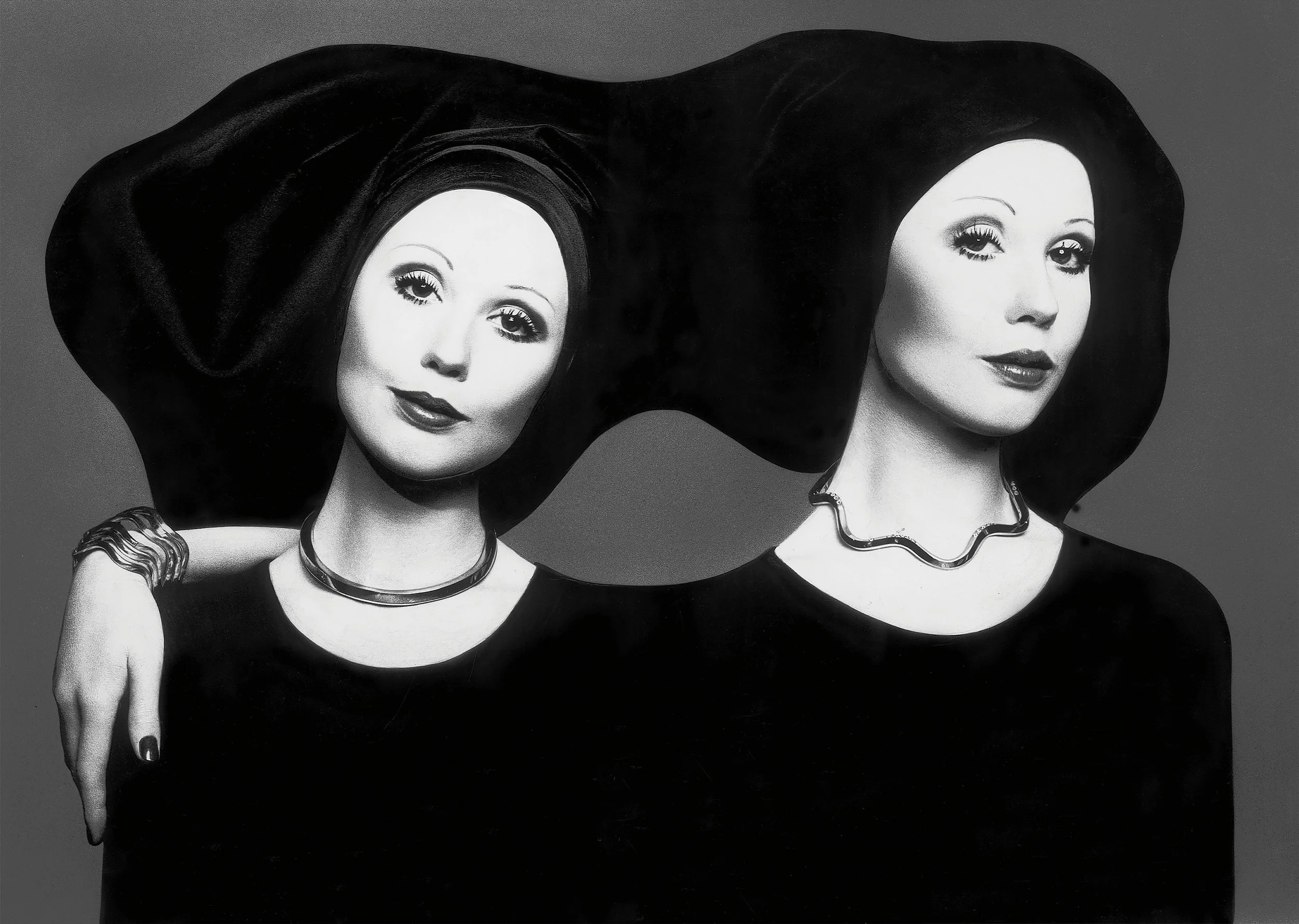
Pomellato: Gian Paolo Barbieri, 1971
La revolución comenzó mucho antes de que estuviera de moda
Mucho antes de que el empoderamiento femenino se convirtiera en un discurso recurrente dentro del lujo, Pomellato ya diseñaba joyas para mujeres reales.
Curada por Alba Cappellieri, la exposición se desarrolla a través de cinco universos dedicados a la imagen, la artesanía, el estilo, el color y el empoderamiento. Cada espacio revela cómo la firma desafió los códigos tradicionales de la alta joyería al crear piezas pensadas para acompañar la vida cotidiana y no únicamente las ocasiones extraordinarias.
Una filosofía que transformó la joyería en una extensión de la identidad personal.


Pomellato: Helmut Newton, 1982
La imagen como herramienta de cambio
Uno de los capítulos más fascinantes de la muestra está dedicado al universo visual de Pomellato.
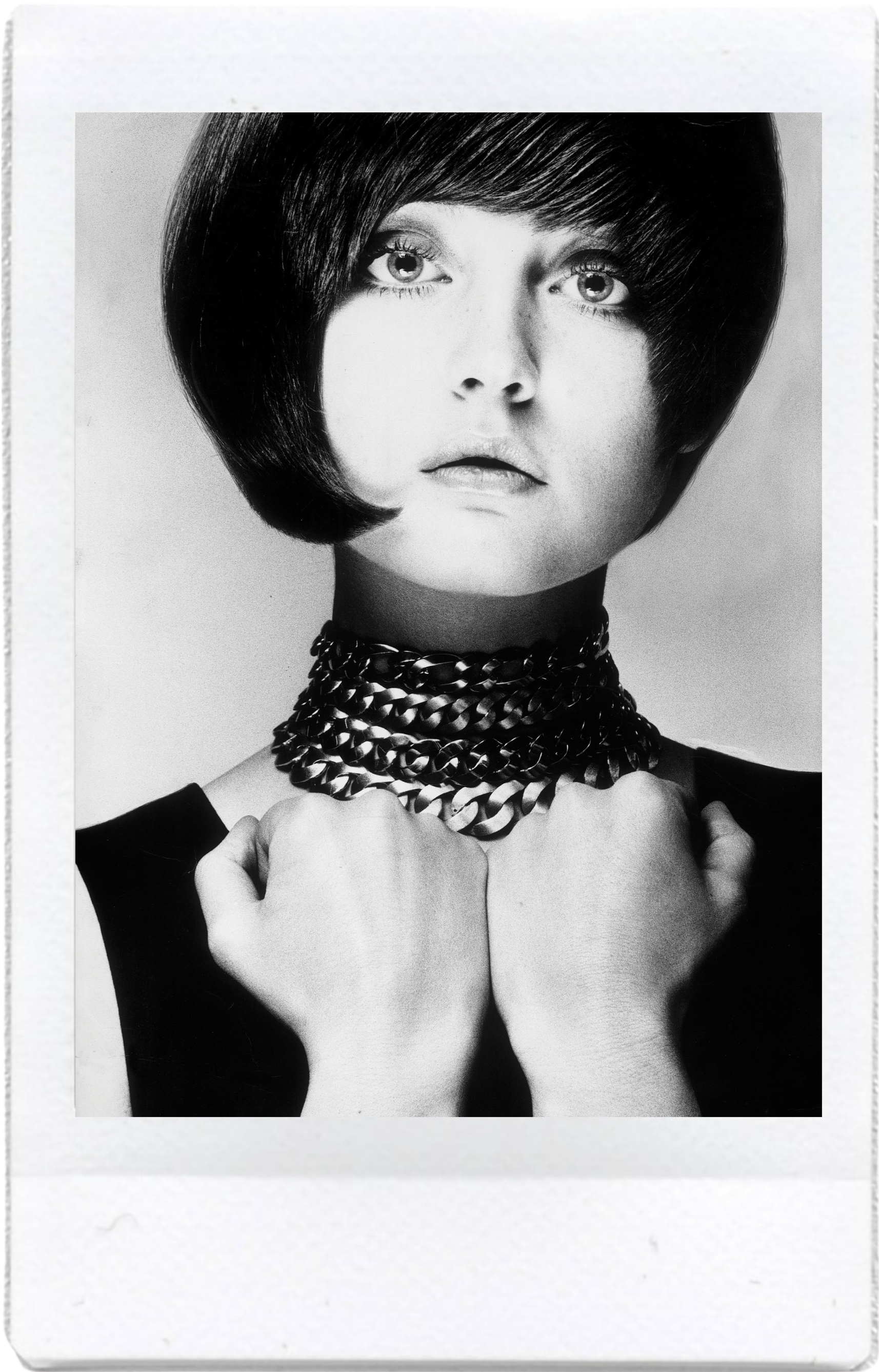
A través de colaboraciones con fotógrafos icónicos como Helmut Newton, Herb Ritts, Gian Paolo Barbieri y Horst P. Horst, la marca construyó una narrativa visual donde las mujeres ocupaban el centro de la historia. No eran musas silenciosas ni figuras decorativas. Eran protagonistas seguras de sí mismas, dueñas de su deseo y de su propia voz.
Décadas después, esas imágenes siguen transmitiendo una modernidad sorprendente.


Pomellato: SNOWDON, 1992

Pomellato: Javier Vallhonrat, 1993
Pomellato: Michel Comte, 1994
La artesanía italiana en clave contemporánea
Más allá de la fotografía, Le Joaillier Révolutionnaire celebra la excelencia artesanal que distingue a la maison.
Cadenas convertidas en esculturas fluidas, volúmenes orgánicos que abrazan el cuerpo y piedras preciosas combinadas con absoluta libertad creativa forman parte de un lenguaje estético que desafía las convenciones.
Esta visión se expresa a través de la filosofía Free Gems, donde el color se convierte en protagonista y las reglas tradicionales de la gemología quedan en segundo plano.
Diseños emblemáticos como los anillos Caramelle evidencian cómo la innovación técnica y la experimentación estética pueden coexistir dentro de una misma pieza.


Pomellato: Herb Ritts, 1990
Pomellato: Michel Comte, 1994
Stile Libero: la nueva alta joyería de Pomellato
La exposición marca también la presentación oficial de Pomellato Stile Libero, la nueva colección de Alta Joyería de la firma.
Concebida como una celebración de la libertad creativa, la colección continúa explorando la relación entre innovación, artesanía e individualidad. En lugar de seguir las normas clásicas de la alta joyería, Stile Libero apuesta por el movimiento, la expresión personal y la emoción.
Una propuesta donde el lujo se siente más libre que nunca.
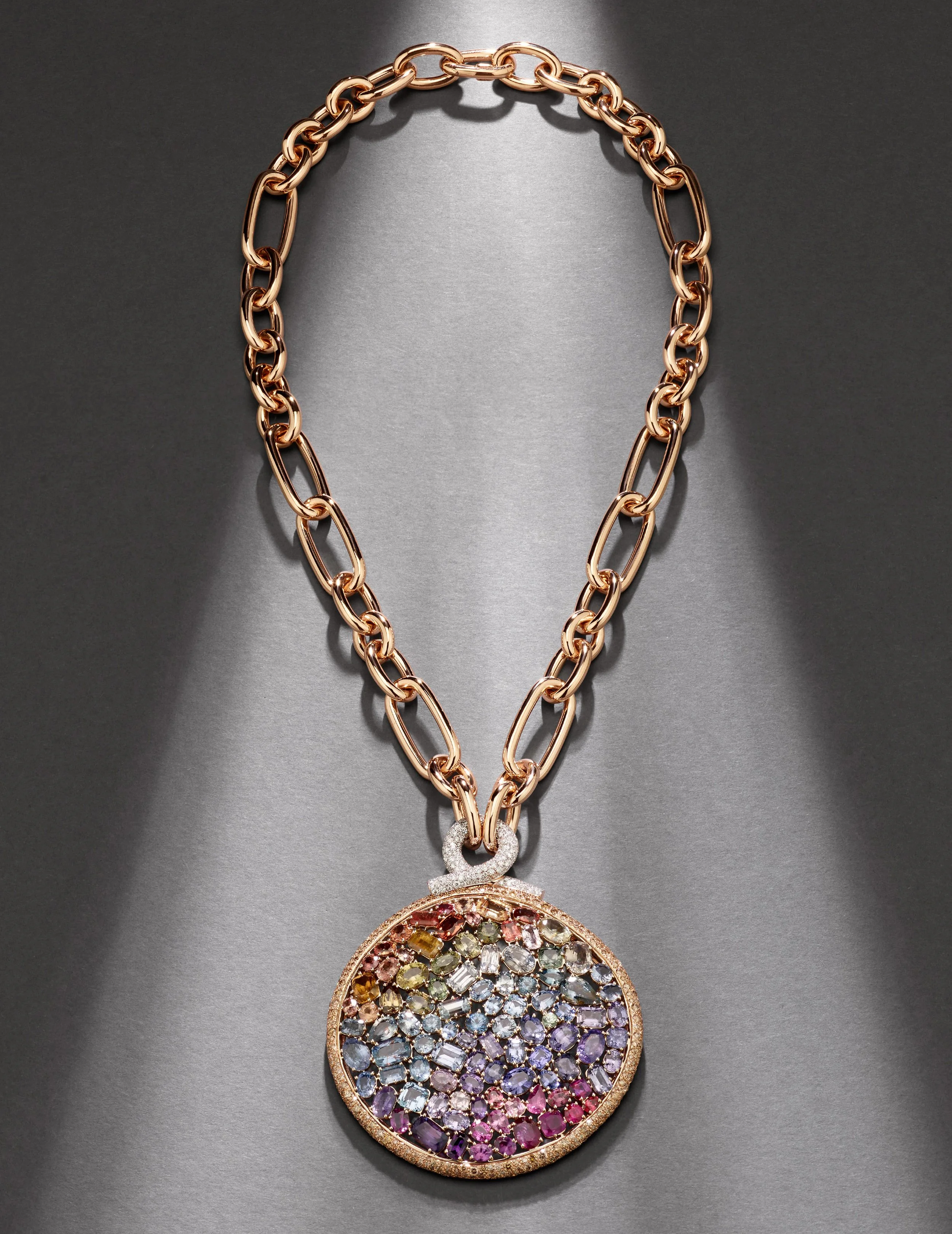
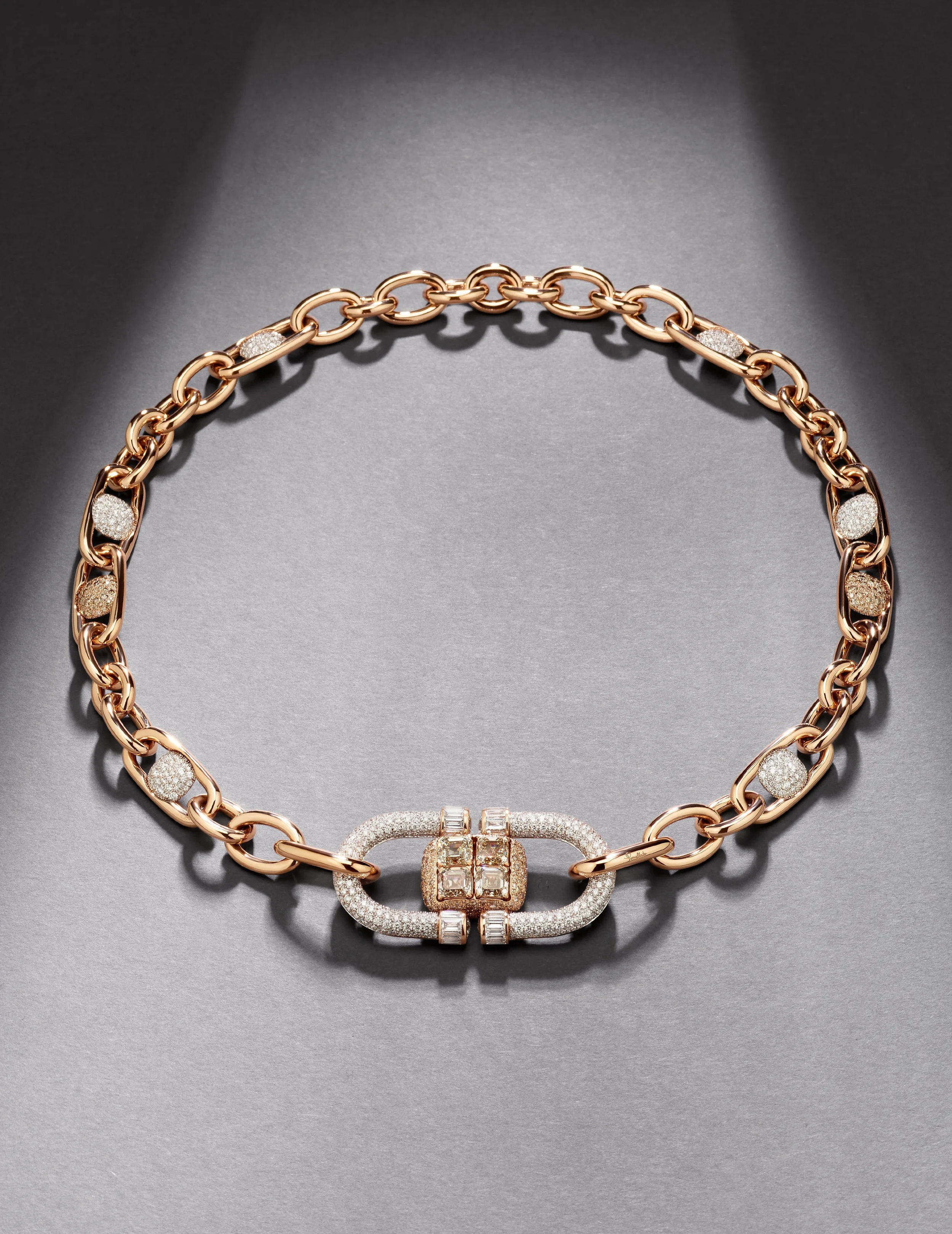
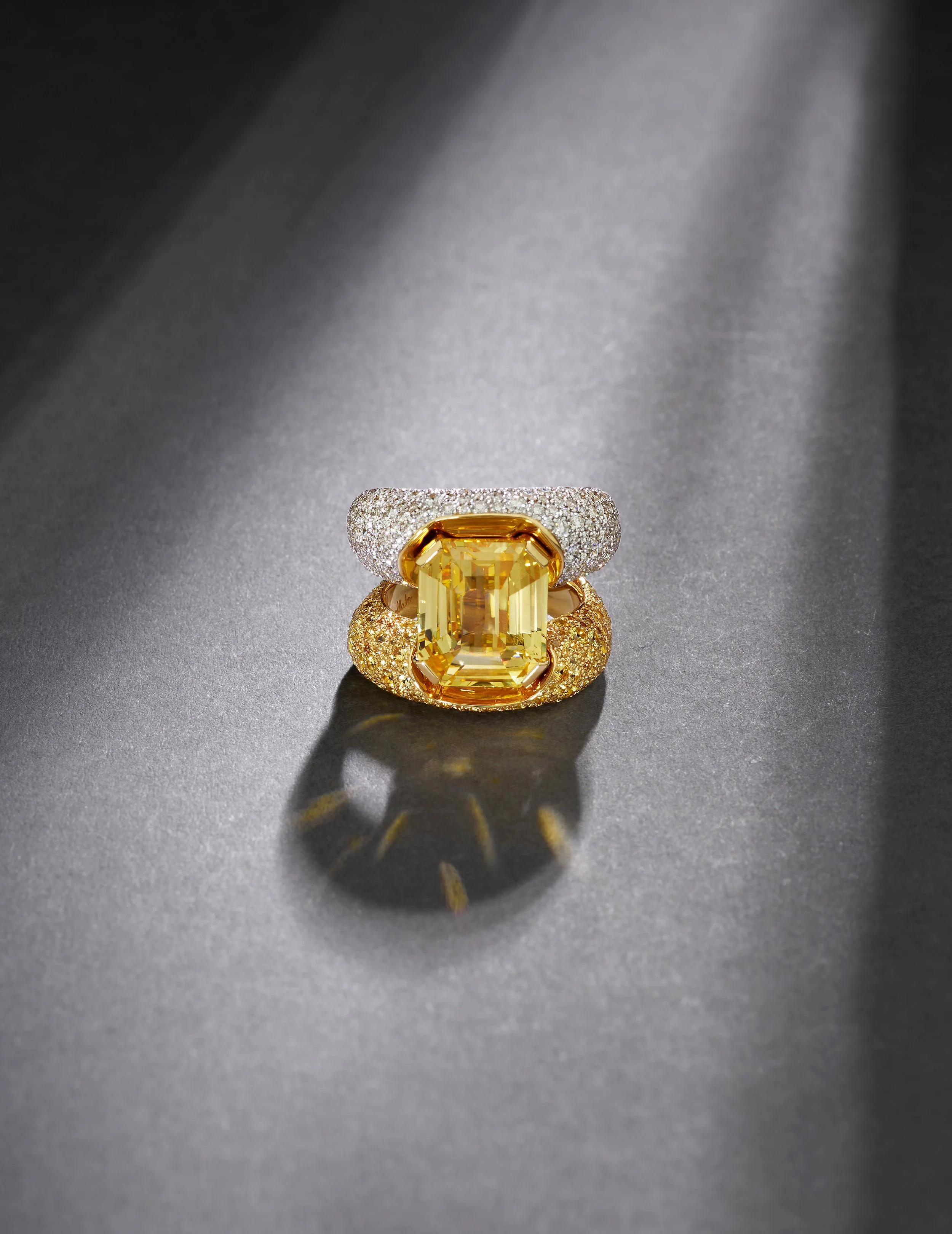
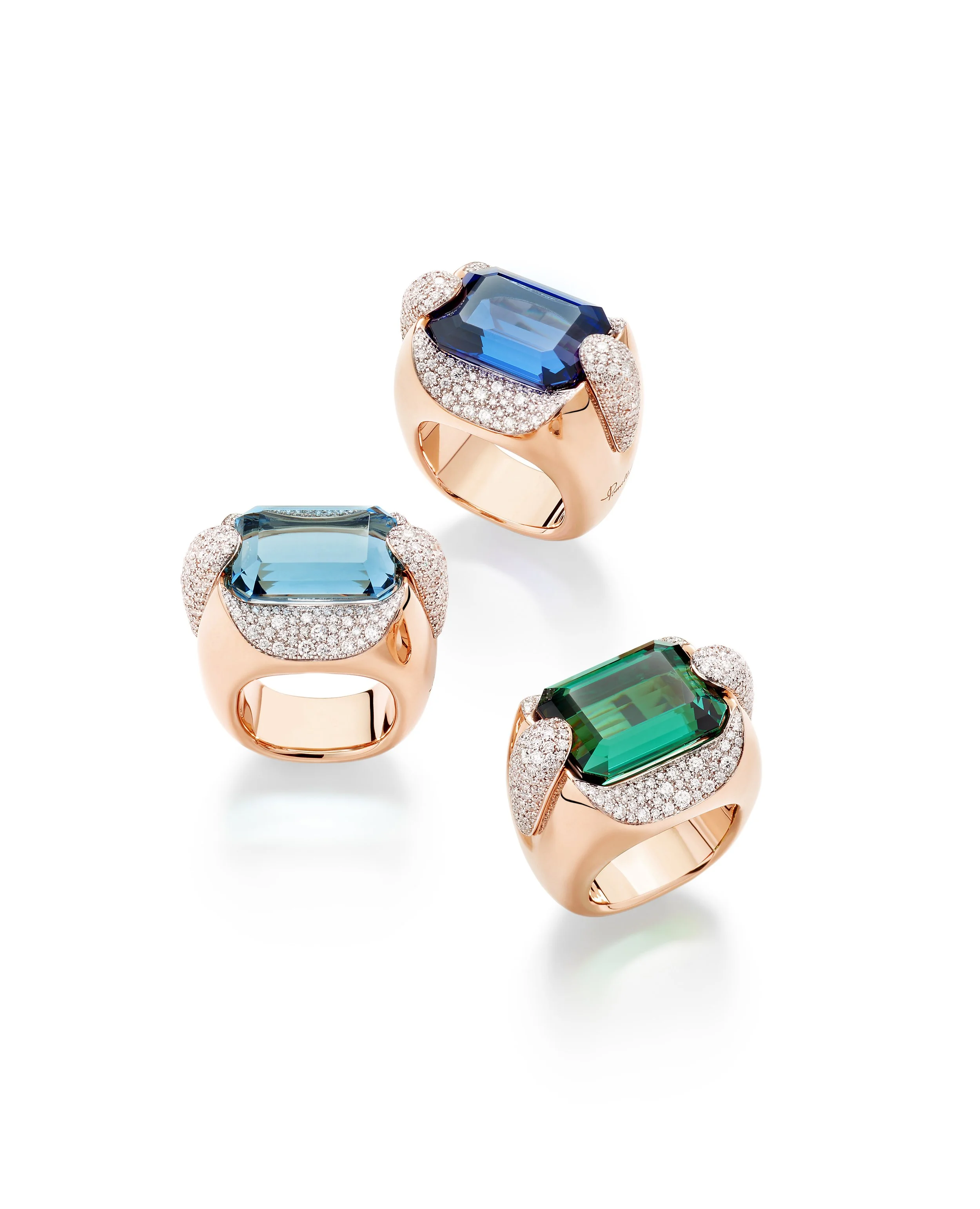
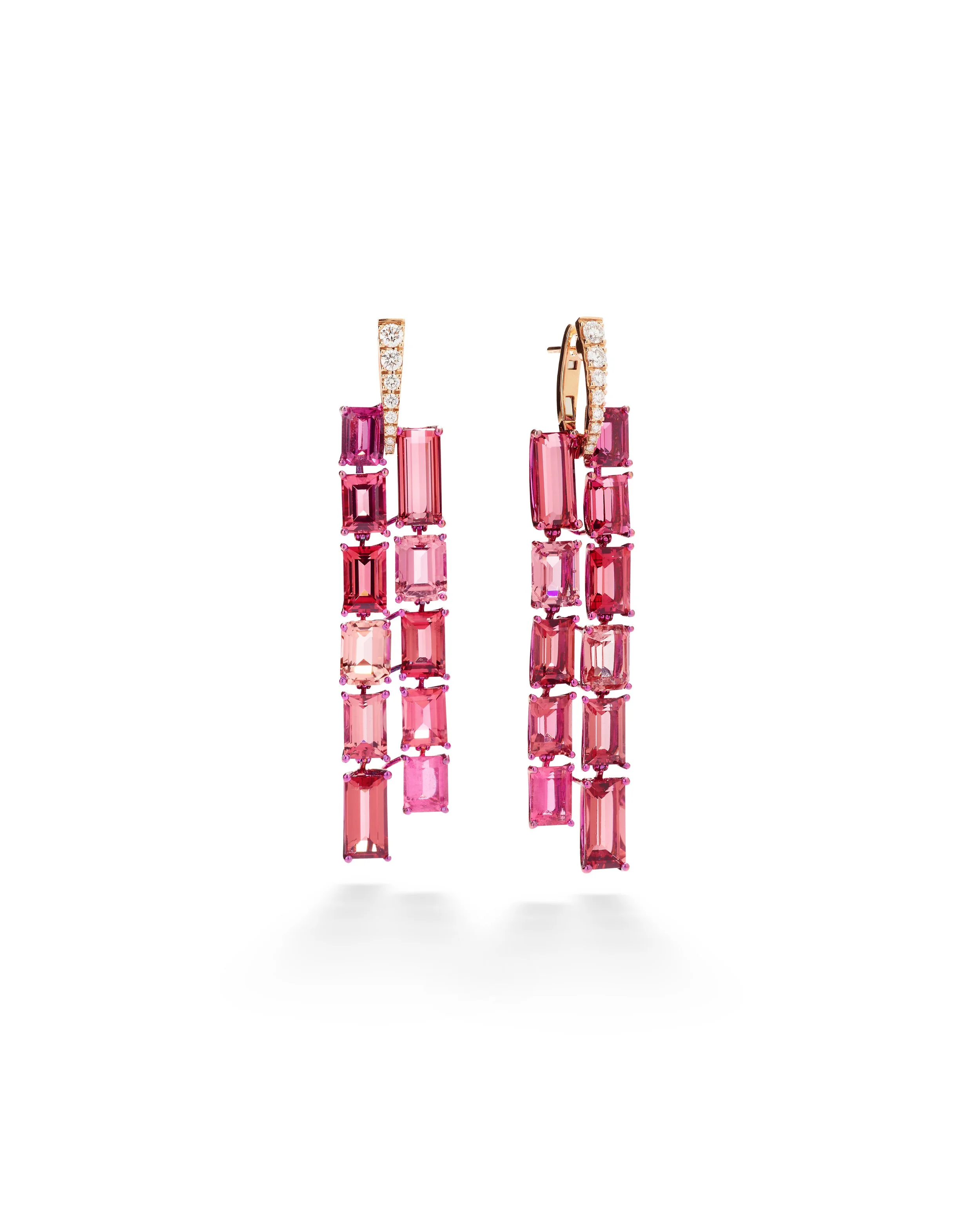
Pomellato: Stille Libero
Mucho más que una exposición
La llegada de Pomellato a París representa algo más que un importante acontecimiento cultural dentro del calendario de la moda.
Le Joaillier Révolutionnaire es una declaración sobre la libertad, la creatividad y el papel de las mujeres en la construcción de nuevas narrativas estéticas. Una reafirmación del compromiso histórico de la maison con la igualdad de género y una demostración de que la joyería contemporánea puede ser también una herramienta de expresión.
En una ciudad que ha sido escenario de innumerables revoluciones artísticas, Pomellato encuentra el contexto perfecto para recordar que una joya puede ser mucho más que un objeto precioso.
Puede ser una declaración de libertad.

Pomellato: Michel Comte, 1994